In the early 2000s, Al Gore and Kevin Wall set out to create a festival as influential as Live Aid with the purpose of fighting climate change. In 2007, that festival became Live Earth. The concert featured 12 different locations with various artists at each stop. Each location was meant to represent the significance of global climate change. One of the most off beat locations was streamed from Antarctica where five research scientists formed a band in their downtime and had last player for a group of about 30.
Wall was one of the head creative minds behind Live 8, a benefit concert held 20 years after Live Aid that was meant to bring awareness to global poverty. When discussing Live 8, Wall reflected that one of the major flaws of the concert was not following up after the festival was over and how they were planning to adjust that for Live Earth.

Putting the festival together in six months was not an easy feat. In the NYT article describing the event, they point out that leading up to the festival, Istanbul pulled out from lack of interest and Brazil was facing conflicts with permission and security. After finalizing the locations and artists, Wall and Gore created a seven-point pledge for viewers around the world to take. The pledge had no real consequences behind lack of following through but was popular because of its accessibility (through text messages).
One of the major issues with hosting a large scale event that is raising awareness for climate change is that the idea in itself is backwards. The amount of energy and waste put towards a global festival is the antithesis of their original mission. Many of the American artists required a jet to fly to their concert destination and others were criticized for having their songs in the background of S.U.V. commercials. From an event planning perspective, the creators should have made sure that their mission was reflected through the artists and venues they selected. When asked about their efforts in sustainability, the organizers did their best to make the actual concert production as eco-friendly as possible by incorporating solar and wind power to many of the venues.
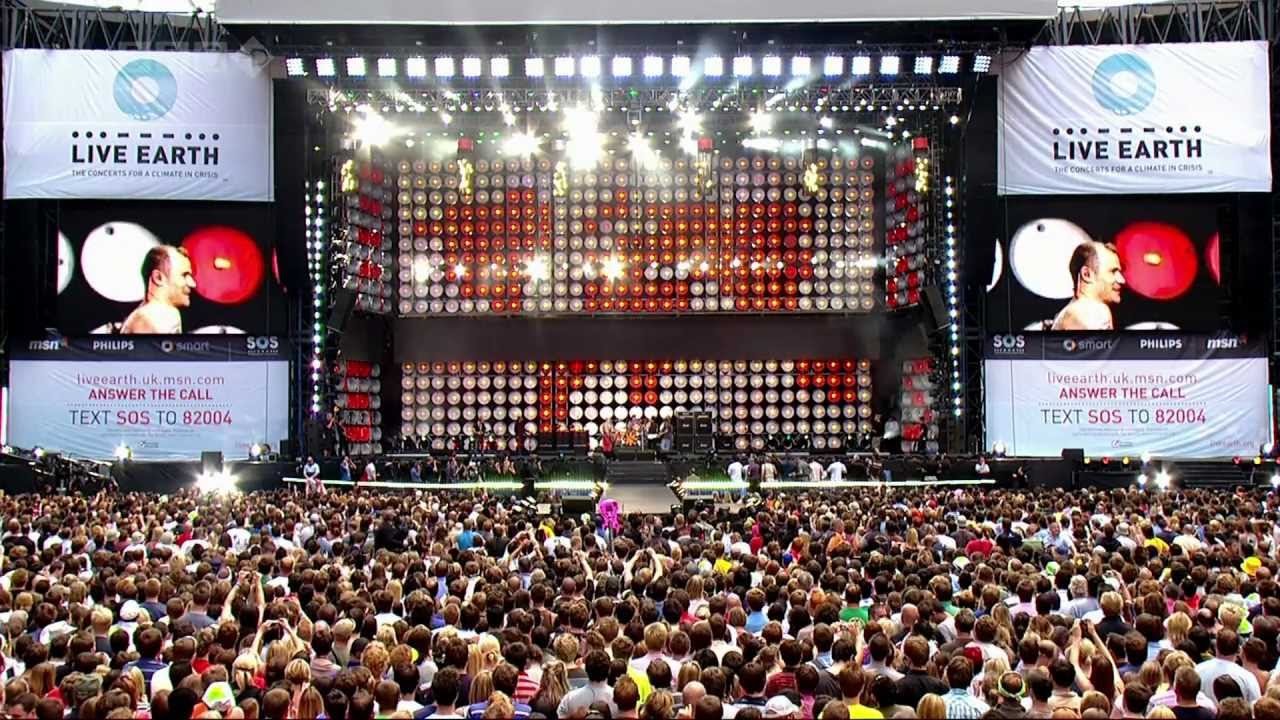
Another general criticism about benefit concerts is that people primarily go for the artists but the social change aspect has very little lasting impact on people’s perceptions. Both Gore and Wall had the goal to make Live Earth more about changing individuals rather than trying to change larger organizations. Gore wanted to emphasize the grassroots aspect of the entire event.
Looking at this event from a 2019 perspective is slightly depressing. The impact of the festival did not seem as great as the creators had expected and very little has been written about the event since 2007, not to mention the fact that the concert was over 10 years ago and the world is only heading towards more climate turmoil.
After reviewing a few different large scale benefit concerts, it seems that the planning and execution of the events doesn’t always align with the various missions which is the main pitfall. Although music has a large role in bringing people together, it might not have the same effect in changing people’s perceptions.
 Within Earshot